
How to Write a Debt Collection Letter: Process & Examples
Chasing unpaid invoices isn’t easy, but sending a clear, professional debt collection letter can make all the difference. In this guide, we’ll walk you through the process of writing an effective letter to collect debt.
Key Highlights
A debt collection letter is a formal notice sent to request payment of an overdue debt.
These letters should include key details like the invoice number, amount owed, due date, and payment instructions.
Tone matters; letters should be polite yet firm, avoiding emotional or aggressive language.
Debt collection letters must comply with UK law, including the Late Payment of Commercial Debts Act and FCA guidance.
If a debtor does not respond, escalate gradually, from follow-ups to legal action or debt collection agencies.
Using templates helps maintain consistency and ensures all legal and financial details are covered.
What are Debt Collection Letters?
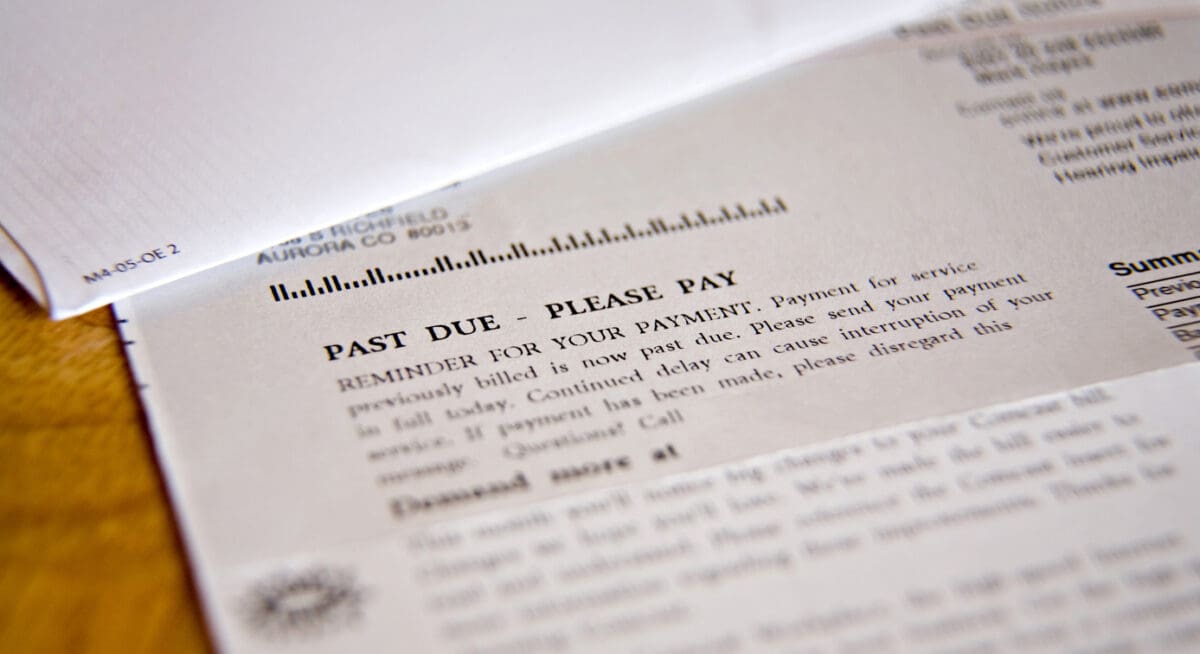
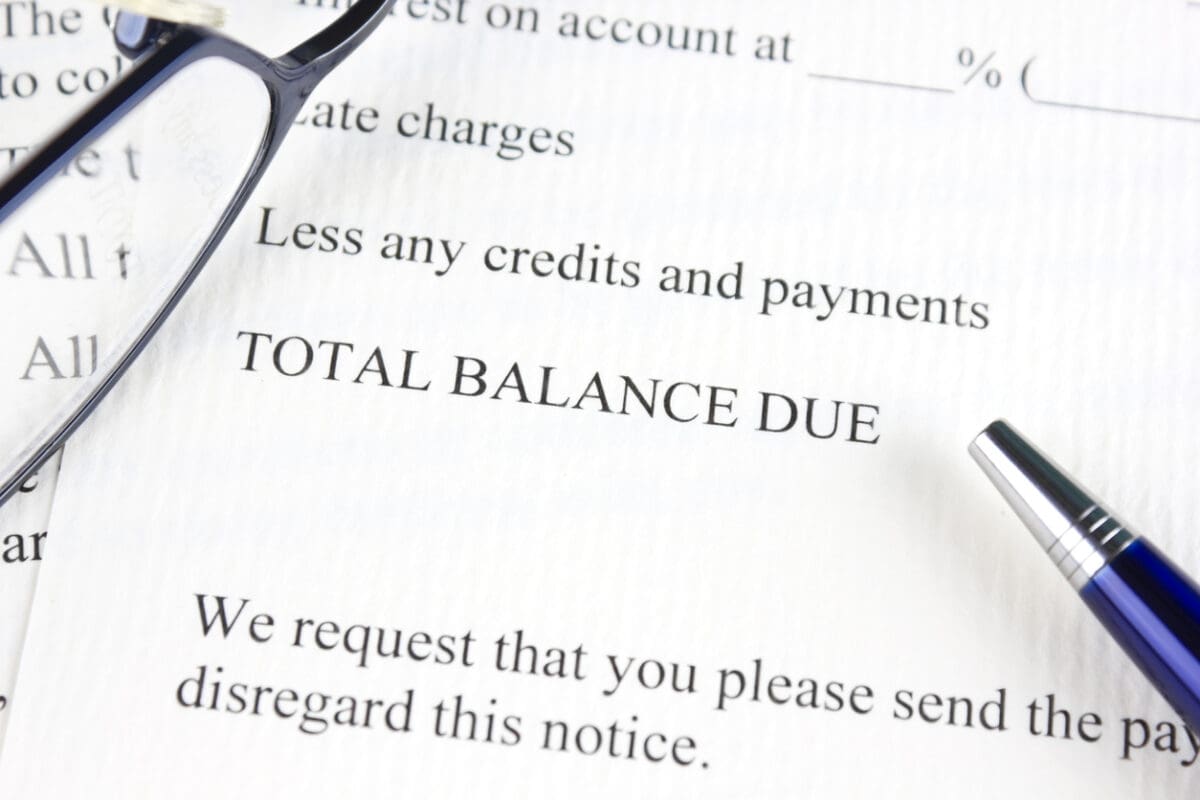
A debt collection letter is a formal written communication sent to a customer or client who owes money that is overdue. Also known as a letter to collect debt, this document outlines the details of the outstanding balance, the actions required to resolve it, and the consequences of continued non-payment.
These letters are a crucial part of credit control and are often the first formal step in the debt recovery process. While some businesses may view this as uncomfortable, writing a professional, compliant debt collection letter can strengthen your position and improve your chances of receiving payment while maintaining a positive relationship with your customer.
Under UK law, debt collection letters must follow fair, transparent practices and should never be threatening or misleading. Businesses are also expected to comply with FCA guidelines when collecting debts, especially if regulated under consumer credit law.
What Are Debt Letters Used For?
Debt collection letters serve multiple purposes, including:
- Informing the customer that a payment is overdue.
- Requesting full or partial payment by a specific deadline.
- Documenting the business’s effort to recover the debt (useful in legal proceedings).
- Protecting the business by showing that fair and reasonable action has been taken.
- Encouraging dialogue, they open the door to discussion, repayment plans, or dispute resolution.
They’re used by businesses of all sizes, from startups chasing unpaid invoices to experienced credit teams in larger companies. And while they can be sent manually, many businesses now use software like Credit Hound Cloud to automate the process, ensuring consistency, compliance, and timely follow-ups, thanks to AI-assisted email creation.
What Should a Letter for Debt Collection Include?
A professional letter of debt collection should be polite, factual, and clearly written. While the tone can vary depending on the situation, all debt collection letters should include the following elements:
- Your business name and contact details.
- The recipient’s name and address.
- The original invoice number(s) and amount due.
- Payment due date and current number of days overdue.
- Any previous correspondence or reminders.
- Accepted payment methods and payment instructions
- A clear deadline for response or payment.
- The consequences of non-payment (e.g. suspension of services, legal action).
- A contact for further discussion or dispute resolution.
Being clear and consistent helps avoid confusion, reduce excuses for delay, and shows you’re following best practice standards for collections.
How to Write a Debt Collection Letter
While every business may have its own style, here’s a step-by-step structure that helps keep your message professional and compliant.
Step 1: Use a professional format
Start by using a clean, formal layout. Include your logo, registered company address, and the date. Clearly label the letter as a “Payment Reminder” or “Debt Collection Letter”, and avoid emotional or accusatory terms like “final warning” unless you’ve already sent multiple communications.
Include the recipient’s full name, company (if applicable), and mailing address. If you’re dealing with a consumer debt, include any reference numbers or agreement IDs tied to the original transaction.
Step 2: Write a clear subject line
Your subject should summarise the purpose of the letter in a respectful but direct way. Examples:
- “Overdue Payment Notice – Invoice #12345”.
- “Outstanding Balance Notification – Immediate Attention Required”.
- “Reminder: Invoice #7890 Now 30 Days Overdue”.
This helps the recipient quickly understand the context and urgency.
Step 3: Address the recipient
Always personalise your salutation, “Dear Mr Smith” or “Dear Accounts Payable Team” is much more effective than “To Whom It May Concern.”
Politeness matters. While you’re chasing money, your aim is still to maintain a professional relationship wherever possible.
Step 4: State the Purpose of the Letter
Start your letter by clearly stating why you’re contacting them. For example:
“We are writing to inform you that invoice #12345, dated 10th August 2025, for the amount of £1,200.00 remains unpaid despite our previous reminders.”
Be factual and neutral in tone, avoid blaming or emotive language.
If this is the first formal debt collection letter, make sure to state that clearly. If it’s the final notice before legal action, then say so, but ensure that you’re willing and ready to follow through.
Step 5: Provide Detailed Information on the Debt
Include a clear breakdown of:
- The total amount owed.
- Invoice number(s).
- Date(s) of issue and due.
- Any part-payments already made.
- Applicable late fees (if previously agreed in writing).
You should also include instructions on how to pay, along with your bank details, online payment links, or any portals your business uses.
If your terms include charging interest for late payments (as per the Late Payment of Commercial Debts (Interest) Act 1998), make this known, but ensure this was stated in the original contract or invoice terms.
Examples of Credit and Collection Letters
Here are three short examples of debt collection letter templates for different stages:
Example 1: Friendly Reminder Letter (7 days overdue)
Subject: Payment Reminder – Invoice #1023
Dear [Client Name],
I hope this message finds you well. Just a quick reminder that invoice #1023, issued on [Date], for £850, is now 7 days overdue.
We’d appreciate it if you could take a moment to arrange payment. Please let us know if there’s an issue.
Kind regards,
[Your Name / Team]
Example 2: Firm Follow-Up Letter (30 days overdue)
Subject: Outstanding Payment – Invoice #1023 (30 Days Overdue)
Dear [Client Name],
Despite our earlier reminder, invoice #1023 (£850.00) remains unpaid. This invoice is now 30 days overdue.
Please arrange payment within the next 7 days to avoid disruption to your service. If you’ve already paid, please disregard this notice.
Best regards,
[Your Name / Position]

Example 3: Final Demand Before Legal Action
Subject: Final Notice Before Legal Action – Invoice #1023
Dear [Client Name],
This is our final attempt to collect the outstanding balance of £850.00 for invoice #1023.
Unless payment is received within 7 working days, we will begin formal legal proceedings or refer the matter to a registered debt collection agency.
You may avoid this by settling the amount or contacting us to discuss repayment.
Yours sincerely,
[Your Name / Company Legal Department]
What To Do if a Debtor Does Not Respond
If your debt collection letter goes unanswered, escalate the matter in stages:
- Follow up by phone or email a few days after the letter.
- Send a final notice letter clearly stating the consequences.
- Pause services or delivery (if contractually allowed).
- Consider referring the debt to a collection agency or legal team.
- Log all attempts to contact; this may be vital in court.
UK businesses must act fairly and proportionately, especially when pursuing individuals or sole traders. Under FCA guidance, aggressive or misleading tactics are prohibited, and non-compliance can result in reputational or legal consequences.
If the debt remains unresolved and legal action is required, you can file a claim via Money Claim Online or consult a solicitor. However, resolution is often faster and cheaper when issues are addressed early using structured, respectful communication.
When Should You Hire a Debt Collection Agency?
You might consider outsourcing to a debt collection agency when:
- The amount owed is substantial.
- You’ve exhausted internal attempts.
- The customer has gone silent.
- You don’t have the time or resources to pursue the debt.
- You want to maintain emotional distance.
Debt collection agencies often operate on a no-win, no-fee basis, but will take a percentage of recovered funds. For B2B businesses, this is often a practical final step, but it can impact client relationships and should be weighed carefully.
Alternatively, many businesses are turning to credit control automation software like Credit Hound Cloud, which helps prevent debts from escalating in the first place by sending automated reminders, tracking activity, and enabling teams to act earlier.
Key Takeaways
1. Understand the purpose of a debt collection letter
A debt collection letter is a formal communication to notify a customer of an outstanding debt. It should include clear details such as the amount owed, due date, and reference to the original invoice. This helps establish a professional paper trail and encourages timely payment.
2. Keep it professional, not personal
The tone of your letter should be firm but courteous. Avoid emotional or aggressive language. Maintaining professionalism helps protect relationships and can lead to better outcomes, especially if there’s a dispute or misunderstanding.
3. Include all essential components
A well-structured letter to collect debt should include the debtor’s contact details, invoice numbers, balance due, payment options, deadlines, and any previously agreed terms, such as late payment charges. This clarity reduces the chance of further delay.
4. Follow UK law and best practices
Debt collecting letters must comply with UK legislation such as the Late Payment of Commercial Debts (Interest) Act 1998 and, where applicable, FCA guidelines. Avoid misleading, harassing, or aggressive tactics; doing so protects your business and ensures you act within the law.
5. Templates can save time and stress
Using debt collection letter templates ensures consistency and reduces the emotional burden of chasing payments. With software like Credit Hound Cloud, you can automate these letters, personalise them, and track results, freeing up your team to focus on more strategic tasks.

Automate the Process with Credit Hound Cloud
Chasing overdue payments doesn’t have to be time-consuming or stressful. Credit Hound Cloud automates the process, from sending polite reminders to escalating non-payment with custom workflows and real-time dashboards.
Start your free trial today and take the pressure off your credit control team.
See how much you could save with Credit Hound’s credit control
FAQs
A letter from a business or third-party debt collector is legal, provided it complies with UK consumer protection laws and the FCA’s guidelines on debt collection. Letters should not be threatening or misleading and must give the debtor a fair opportunity to respond or dispute the claim.
You can send debt collection letters via email or post. Whichever method you choose, ensure there’s a record of delivery. Many businesses use credit control software like Credit Hound Cloud to send and track reminders automatically, reducing manual admin and speeding up resolution.
An effective letter is clear, professional, and includes all relevant details: invoice number, balance due, payment deadline, and next steps if the debt isn’t settled. The tone should be assertive but respectful, with a clear call to action.
In the UK, debt collection letters must follow fair communication practices. If you’re collecting a commercial debt, you may refer to the Late Payment of Commercial Debts Act. For consumer debts, ensure compliance with FCA regulations, which prohibit misleading or aggressive behaviour.
Tone is critical. A polite but firm tone shows professionalism and preserves your customer relationship. Avoid threats or emotional language; staying calm and focused on the facts often leads to faster and more positive outcomes.
- Using vague or emotional language
- Failing to include key details (invoice number, due date, balance)
- Being overly aggressive or threatening legal action too soon
- Forgetting to include payment options or contact details
- Not following up or escalating when required.
Further Reading
Aged Debtors Report Explained
What is a Collections Management System & How Credit Hound Simplifies It

Accounts Receivable Management with Credit Hound
How Automation Can Increase Efficiency

What Does Paperless Mean?

How Automated Task Management Software Can Help Reduce Late Payments

Begin saving today
Sign up for free and start seeing how
Credit Hound will benefit your organisation.
- Instant access
- No credit card details required
- No obligation
 5 star customer reviews

Draycir are committed to ensuring that our approaches to processes, products and services are compliant with the General Data Protection Regulations (GDPR) from 25 May 2018. The purpose of the regulation is intended to strengthen and unify data protection of all individuals.
North America: +1 (1) 888 836 5156
UK/Europe: +44 (0) 116 255 3010
© Draycir, All rights reserved
Website by Fifteen.co.uk